"Padel is just as important as the tablets" - how Padel 4 Parkinson's is changing lives
• 3 minutes read
For Mark Limebear and Garry Brown, padel started out as a way of getting some exercise and companionship after being diagnosed with Parkinson's disease. The sport's impact quickly developed into something far more profound.
Padel has given both men an activity that directly addresses many of the symptoms they endure on a daily basis. It has also created a community of players that supports one another and their carers; a vital mental health lifeline in what can be a very lonely experience.
Mark was a keen squash player when he was diagnosed with Parkinson's 12 years ago. The disease slowly began to affect his game but he found the slower pace of padel slightly easier. "It was like starting afresh," he says.
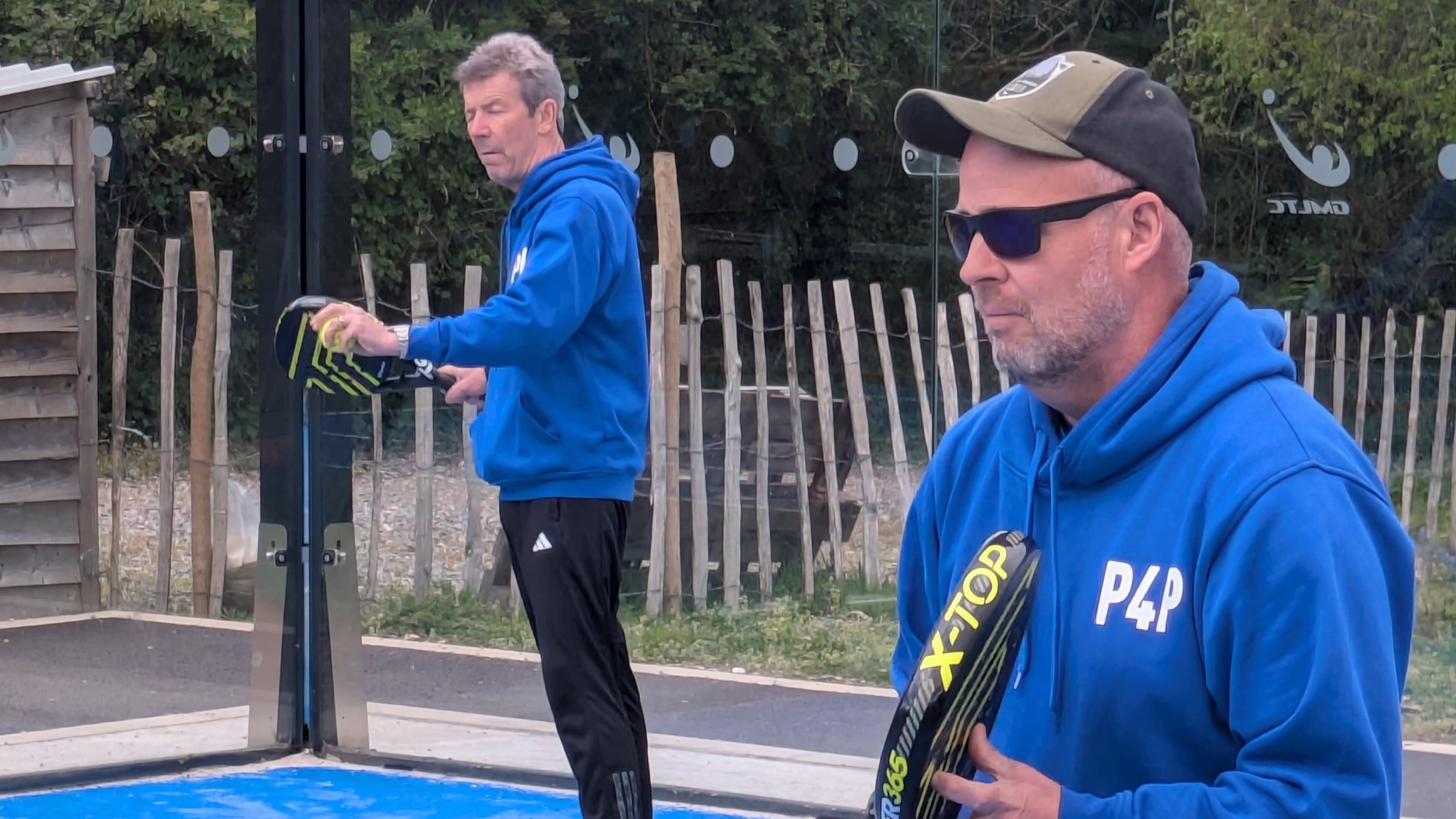
With help from the Amersham and High Wycombe branch of Parkinson's UK and LTA Foundation funding, Mark ran trial padel sessions for people with Parkinson's at Game4Padel 1879 in Chesham. Garry came along. Although, by his own admission, he was "in a dark space" after his recent diagnosis, he and Mark hit it off immediately.
"I'd been diagnosed by text message," Garry recalls. "I lost the job as a fireman that I loved, my financial independence, my driving licence and I nearly lost my house and my wife. Everything came at once.
"It's a progressive disease, so you know you're going to get worse. You think, 'I'm 51, but what have I got to look forward to?'"
Turning up to that padel taster session changed Garry's life. "I wasn't a racket sport person," he says. "I was into cycling and running before I was diagnosed. But at the taster day, I picked up the racket and loved it straight away. I signed up on the spot, joined the club and we've never looked back."
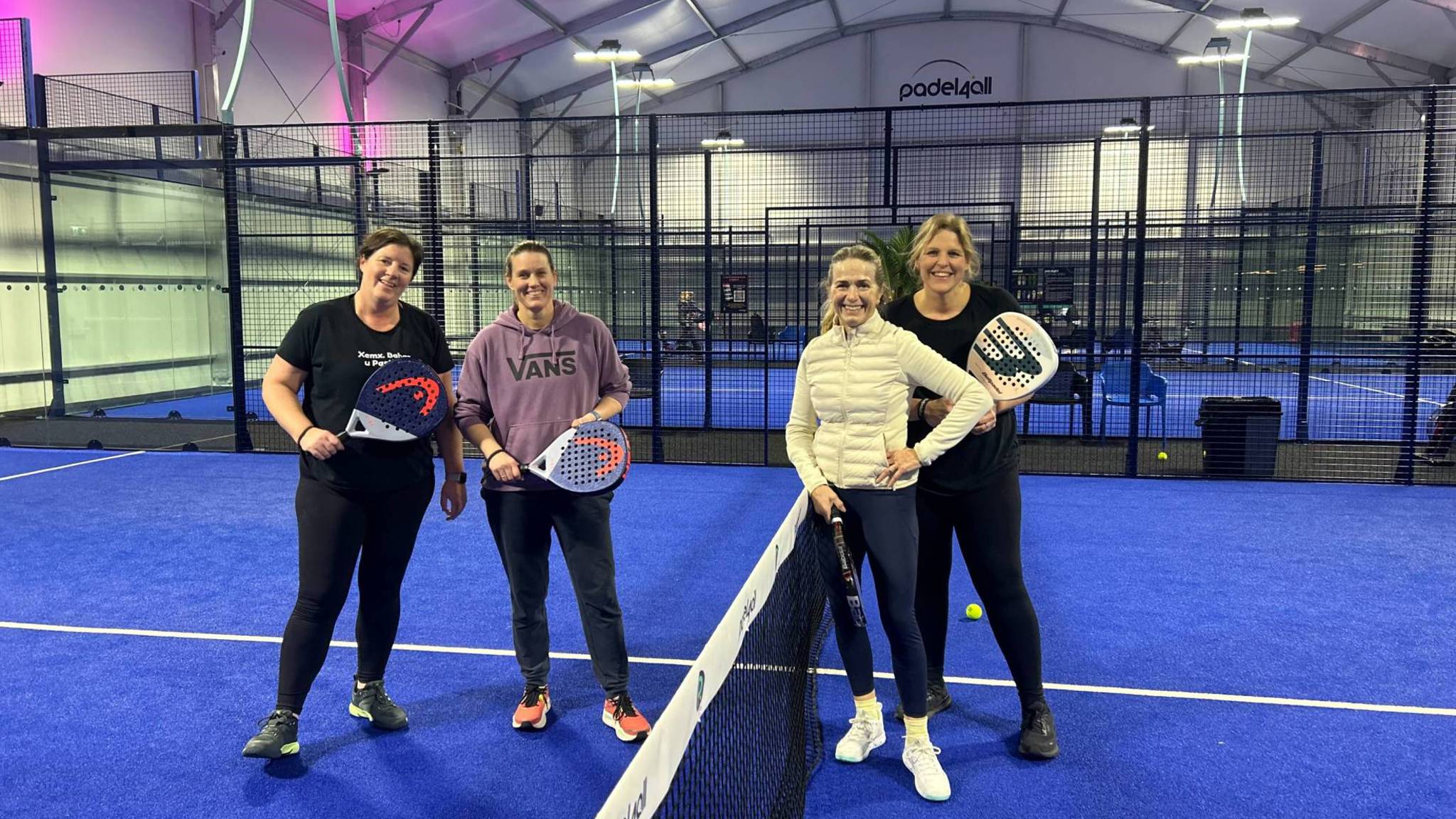
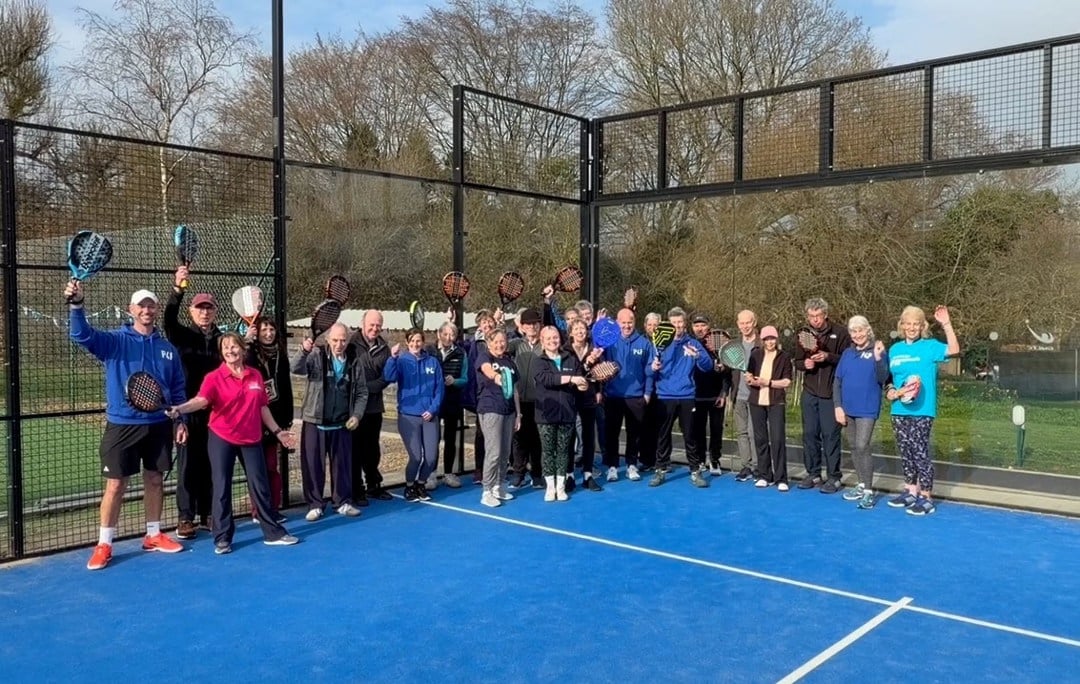
Soon afterwards, Mark and Garry co-founded Padel 4 Parkinson's, securing further funding from the LTA Open Court programme and Parkinson's UK for court time for 12 players every week, plus a coach, Matt Graham, who soon became a close friend.
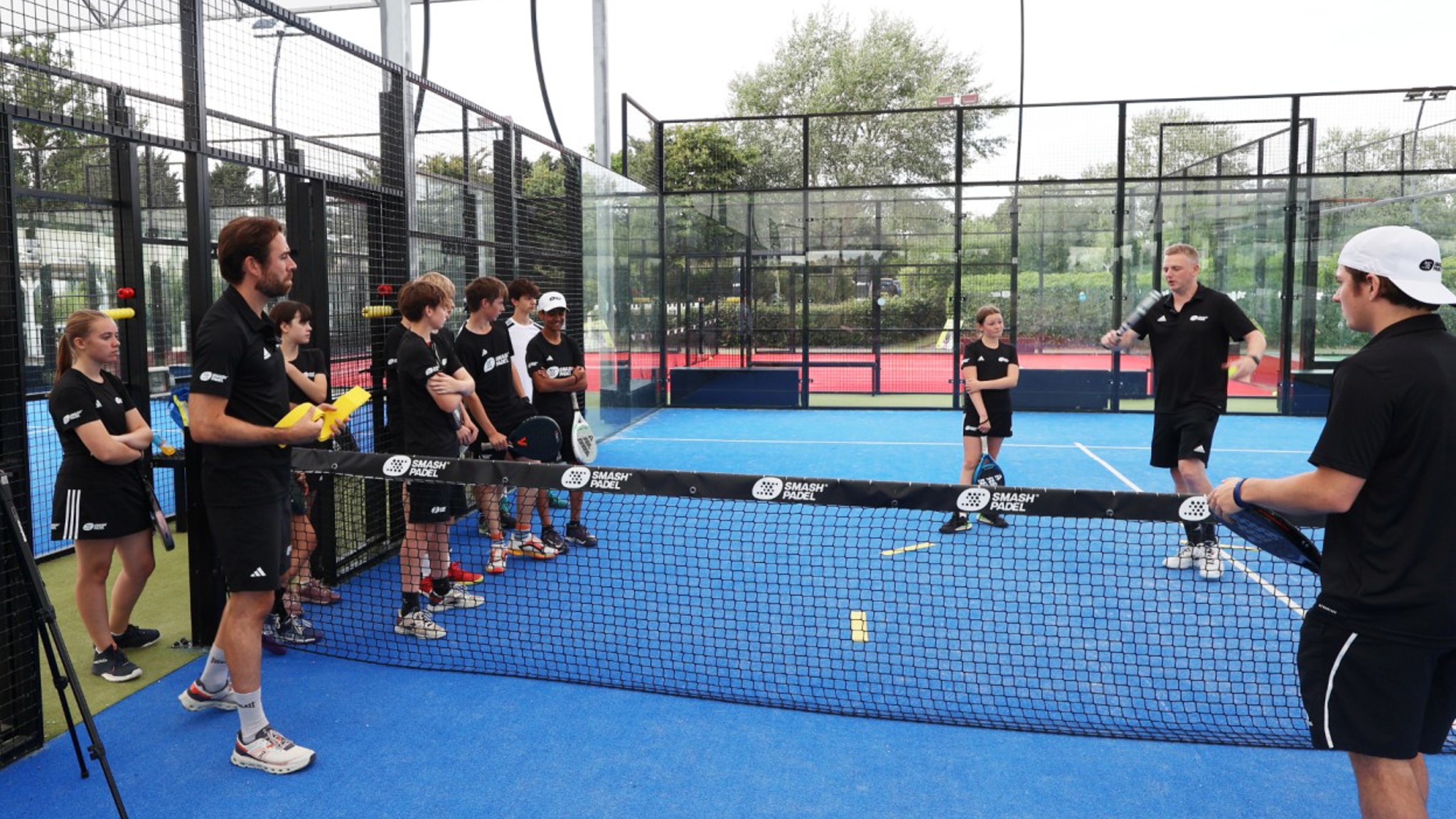
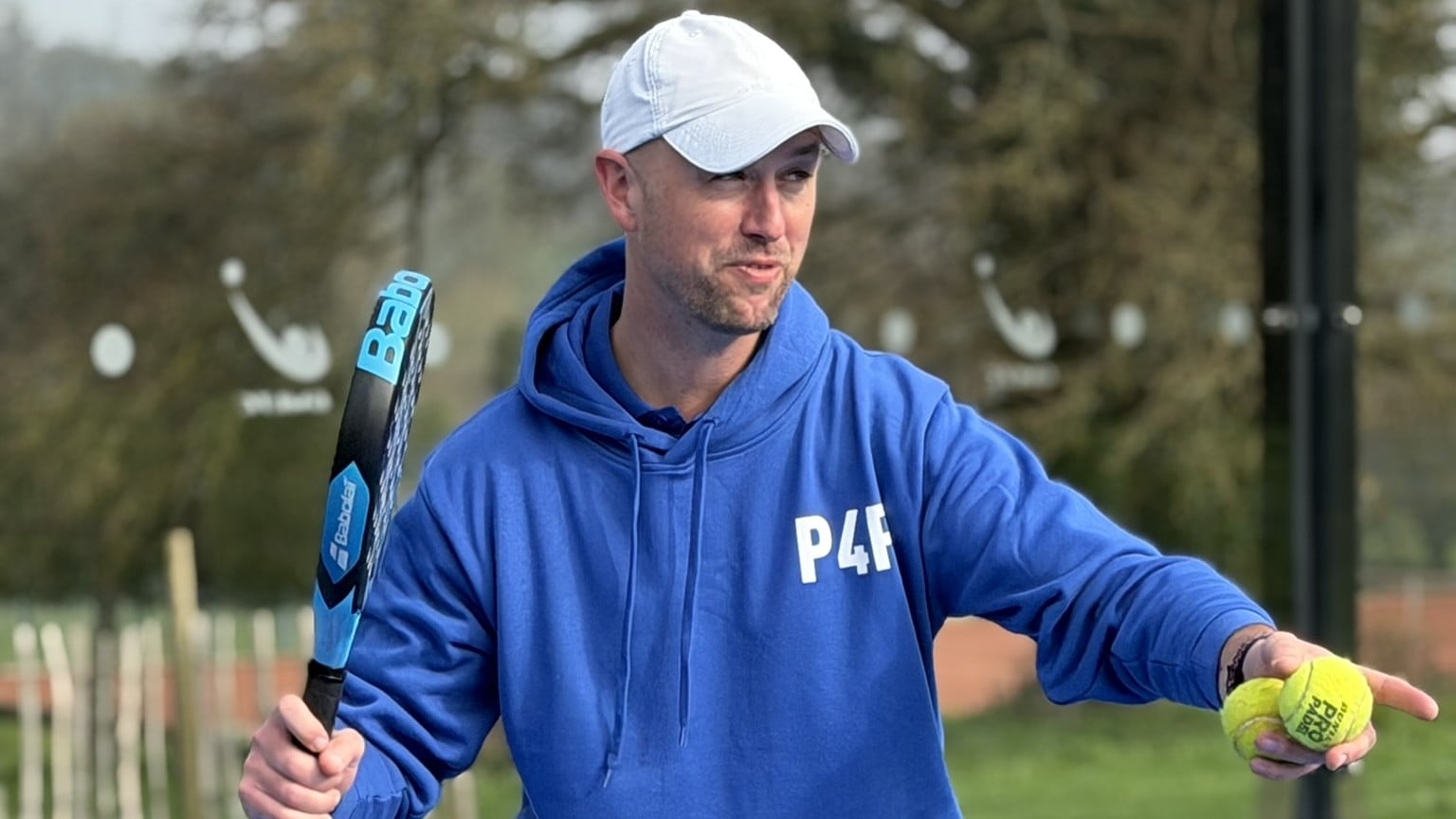
"He's a young, empathetic coach who has gone to amazing lengths to learn how to give us the best experience for an hour and a half each week," says Mark.
Matt visited a local Parkinson's unit to better understand the exercise regimes that best improve players' cognition and balance. He is about to begin a course in delivering specialised PD Warrior exercise programmes.
Participants need extensive warm-ups to get their joints moving as their bodies are very stiff and slow. People with Parkinson's are also easily overloaded, so Matt breaks his coaching down into digestible segments. "He's got the patience of a saint!" laughs Garry.
Parkinson's also affects people very differently, with over 40 recognised symptoms which often come and go, and vary greatly in severity, so Matt has to tailor the sessions to match each player's capabilities. He sometimes takes players off for some individual instruction while Mark, Garry and two trained volunteers lead the rest of the group.
The sessions began on the padel courts of Great Missenden LTC with support from Jill Newby at Bucks LTA. They now take place in Chesham with Parkinson's UK, the LTA Foundation and Game4Padel all on board to support.
One of Mark, Garry and Matt's ambitions is to share good practice with other clubs by producing a 'playbook' for launching a specialised Parkinson's padel programme. "We want as many people as possible to play padel and get the same benefits as we've got from it," says Garry.
Some of the impacts Mark and Garry have witnessed among the group are nothing short of remarkable. One player who was hunched over and in constant, chronic pain can now stand up straight. An 82-year-old lady can now turn over in bed at night since attending Padel 4 Parkinson's.
Garry has also seen improvements in some of his own symptoms. "I'm definitely fitter, and my balance has improved no end," he says.
"When I first started playing, I couldn't let go of the ball when I was serving. Now, that only happens later on in the game when I'm tired. The tremor is there most of the time, but when I'm playing, there are times when I feel great.
"I look forward to it so much. I play in the rain, and I've even been down clearing snow off the court because I'm so desperate to play. When we don't play, I'm a miserable b******! It's just as important as the tablets!"
Indeed, the wellbeing and mental health benefits of the programme are just as vital as the physical aspect. "It's quite a lonely disease," explains Mark. "You get diagnosed, and you're just sent on your way to get on with your life.
"You need people to talk to who are going through the same thing. It's priceless. The sessions give people a safe place to talk, and their carers too. The social side is so important."
Both men feel padel is a far more suitable and beneficial vehicle for people with Parkinson's than most other sports.
"It's a very easy game to learn," Mark says. "We give our starters two bounces. The ball's immediately in play, and if you miss it, it comes off the back wall most of the time. It's also a strategic game, rather than smashing the hell out of it."
Garry adds: "Padel is in an enclosed space, you can adapt the game and it's so sociable and inclusive.
"When I joined the club, I was put straight into the WhatsApp groups. I'd been sitting at home licking the window through the winter, and my mental health was so poor, but I've now got a whole new group of friends."
Start your padel journey
Learn more about padel, search for your nearest courts and start playing today!