
Women & girls: How to make your padel venue more welcoming & inclusive
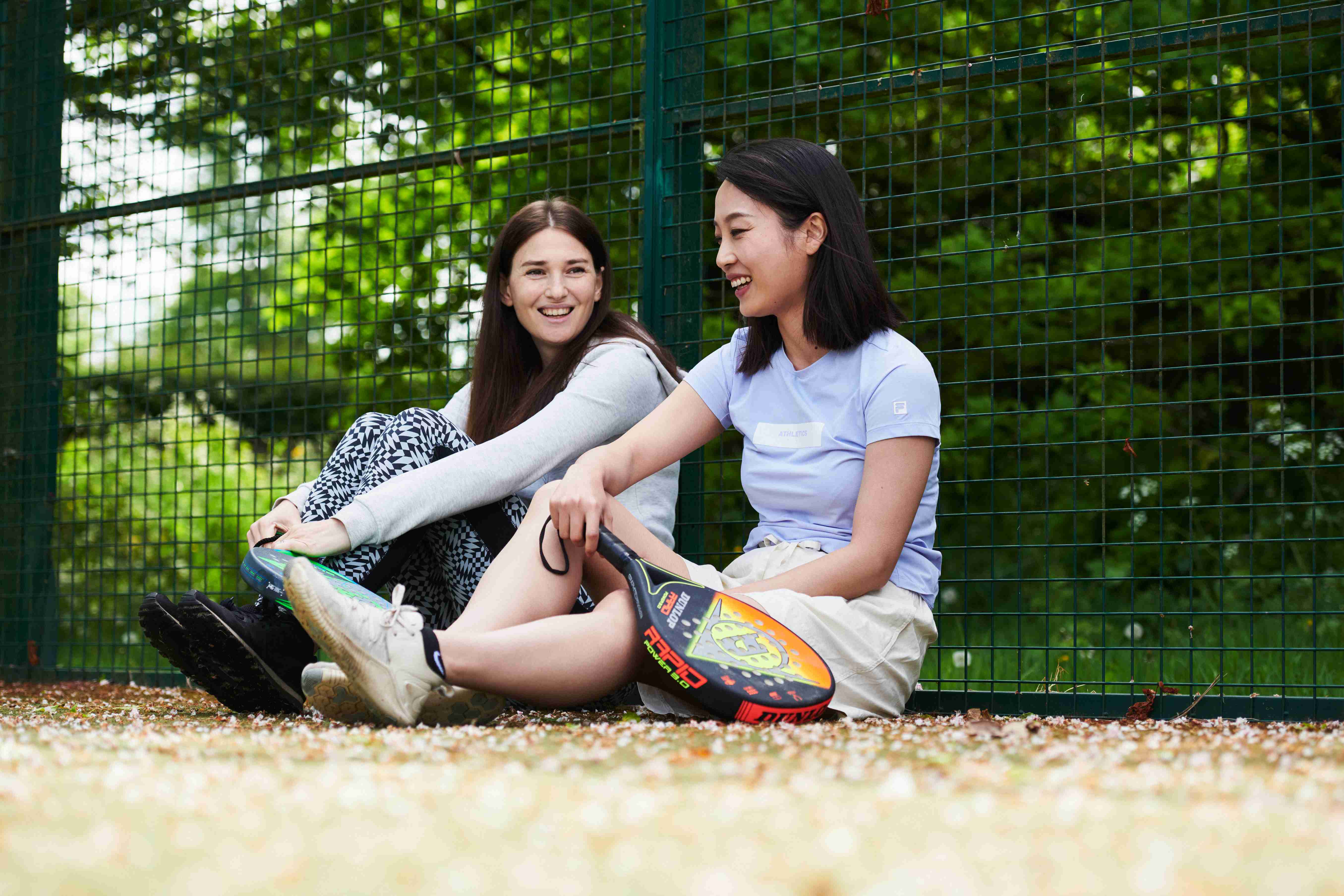
Padel is becoming increasingly popular in Britain and across the world, but participation numbers aren’t equal between men and women.
We also see this trend reflected across padel competitions and the workforce.
It’s important to understand that women and girls often face more challenges that can affect their ability to stay active and enjoy sports.
Female biology, as well as the societal expectations they face, mean their motivations and barriers are often different from those of men and boys.
Supporting women and girls in padel
As a relatively new sport, padel presents a unique opportunity to ensure that women and girls are represented across all aspects of the game.
Our goal is to help as many women and girls as possible to pick up a racket and enjoy playing padel. We aim to do this by:
- Enabling regular play and competitions
- Creating opportunities for women and girls to become padel coaches and officials
- Providing platforms to work, volunteer and lead at all levels of the sport
That’s why we’ve created this guide to help you make your venue as welcoming and inclusive as possible for anyone interested in picking up a racket and giving padel a go.
Visibility
Here are some useful tips to improve the visibility of women and girls at your padel venue:
|
Ask women what they want |
One of the easiest steps you can take to help more women and girls feel welcome at your venue is simply to ask them what would make your venue great for them. |
|
Female representation |
Make sure that all your communications – website, social media, emails, notice boards, etc – include images of female players and role models. |
|
Show women’s sport |
If your venue shows live sports events, make sure you include women’s sport as well. |
|
Language |
Use language that is appropriate for a female audience e.g. referring to women, not ladies. |
|
Champion women |
Use key dates in the calendar, such as International Women’s Day and International Day of the Girl to champion women’s padel at your venue. |
This video - 'Cover the Athlete' - highlights the inequality in how male and female athletes are often approached and portrayed. Women are often shown in a specific and limited way, which focuses on how they look rather than their skills.
Workforce
Here are some useful tips to encourage more women and girls to join your workforce:
|
Female voice |
Make sure there is a female voice in your workforce, whether that’s a coach, an official, or someone in a leadership position |
|
Complete training |
We have some resources available to help you understand the needs of women and girls as a coach or venue operator, including Physical, Tactical, and Technical Tools for Coaching Female Padel and Coaching females: Princess or Athlete? |
|
Promote coaching and Activator opportunities |
Promote opportunities for women and girls to get involved in your workforce. Whether it’s as a volunteer Activator facilitating padel at your venue or encouraging more people onto the coaching pathway with the LTA Padel Instructor Course. |
|
Take advantage of grants |
Did you know there are grants available for women looking to get into coaching? Promote coach grants opportunities and the LTA mentoring programme to support women on the pathway. |
|
Policies |
Ensure your venue implements policies that support maternity, menopause and equal pay. |
Participation
Here are some useful tips to help you get more women and girls playing padel at your venue:
|
Equal opportunities |
Make sure you offer equal opportunities for women and girls to play and compete at your venue – including female-only and mixed sessions for players of all ages. |
|
Programme scheduling |
Any female-only or mixed sessions should be timed to cater for both working and non-working women. |
|
Create a safe environment |
Your venue should have access to safe, clean toilets with free period products provided. You should also make sure that there is adequate lighting between your venue and the car park. |
This video - 'Like a Girl' by Always - sheds light on how everyday gender stereotypes disadvantage women and girls, particularly when it comes to sport.