Why padel is so good for your health?
• 3 minutes read
Padel offers a slightly different kind of workout to other members of the racket sport family, but when it comes to health and fitness, it has a super power up its sleeve.
Padel's addictiveness is what's driving its current participation boom - it's accessible, social and easy to pick up and play with family and friends straight away. It's this combination that make it so rich with potential for improving people's physical and mental health.
Padel has a high return rate and once people try it, venues often find them coming back for more. How often have we heard of people trying new sports or fitness pursuits but struggling to 'stick with it'? Padel has no such problem.
This presents an incredible opportunity to make a long-term impact on people's fitness, especially those leading sedentary lifestyles or battling pre-existing physical or mental health issues.
"Padel does have the habit of converting even the sceptics once they step on court," says Ian Aylward, the LTA's Lead Physical Preparation Coach.
"As for what it improves; you’ll see clear benefits in aerobic fitness, agility, co-ordination and balance. But from a performance and health perspective, the biggest win is adherence.
"People enjoy it, hence its rapid growth. They keep coming back and that consistency is where the long-term physical and mental health benefits really kick in; reduced stress, improved mood and sustained activity levels."
Most data we see puts it in that 70-85% max heart rate zone, which is right in the sweet spot for cardiovascular health.
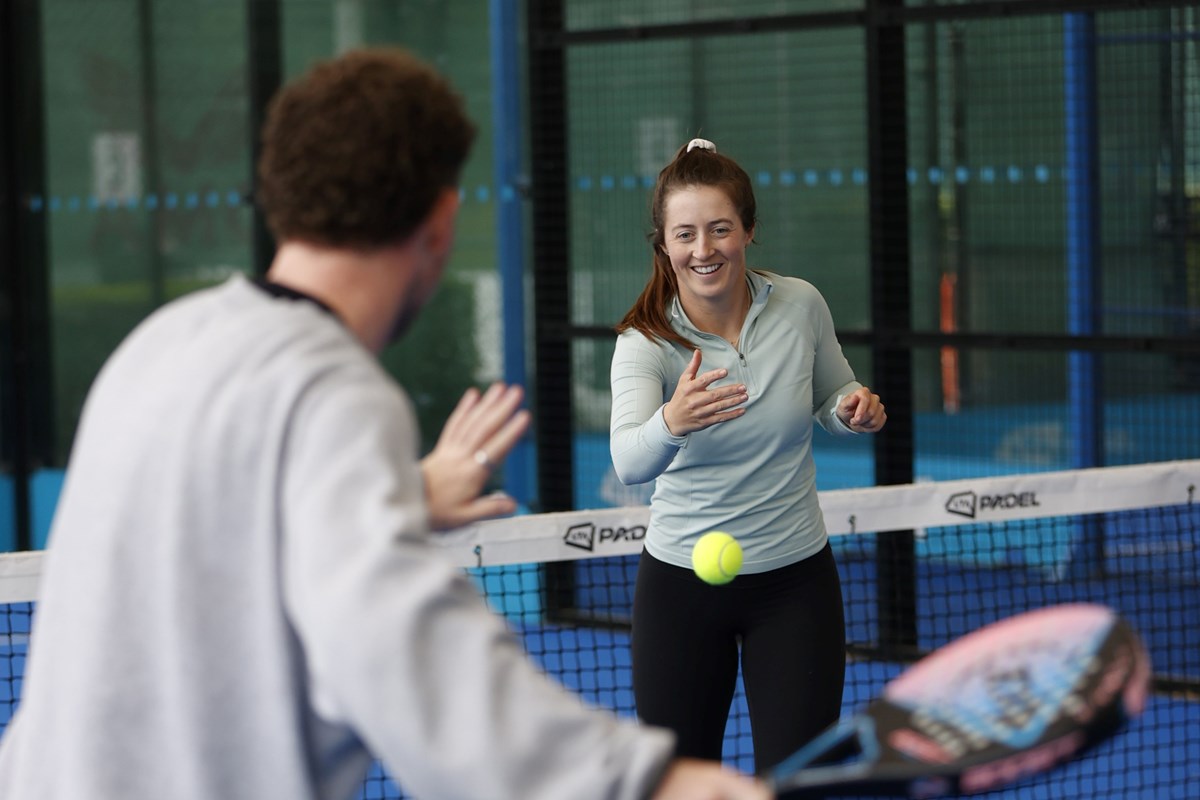
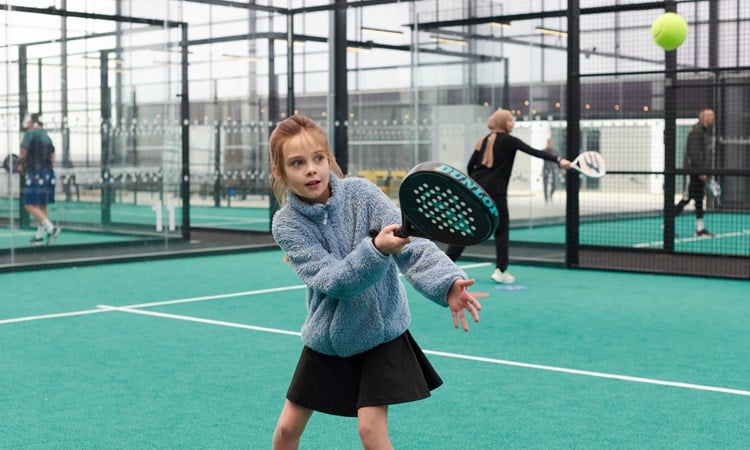
Padel's low barriers to entry (easy to serve and have a rally) mean new players develop competence and confidence on court much quicker than in other sports.
That magic 'I can do this!' feeling is what keeps people coming back and this is particularly important for engaging hard-to-reach groups who may find participation in traditional sports more difficult to sustain.
Smash Padel has recognised this by launching its Sofa 2 Smash pilot programme, adapting the NHS's successful Couch to 5K model to support inactive adults through padel.
By partnering with Cherwell District Council and local physical activity charities, Smash Padel engaged with inactive adults and delivered an eight-week programme designed to combat ‘non-communicable diseases’ such as heart attacks, strokes, cancers, chronic respiratory diseases and diabetes - which are all associated with tobacco use, unhealthy diets, alcohol and inactivity.
“It’s had a massive impact on my mental and physical health and socially too," said participant Gemma Bridges. "I’ve now got back into fitness. It’s just built up a bit more confidence to do more regular exercise.
“I suffer with mental health issues and find it very difficult meeting new people. But from the very beginning, we were all at the same sort of level. It was a very fun, structured way of learning the game of padel, getting fitter and finding a new hobby."
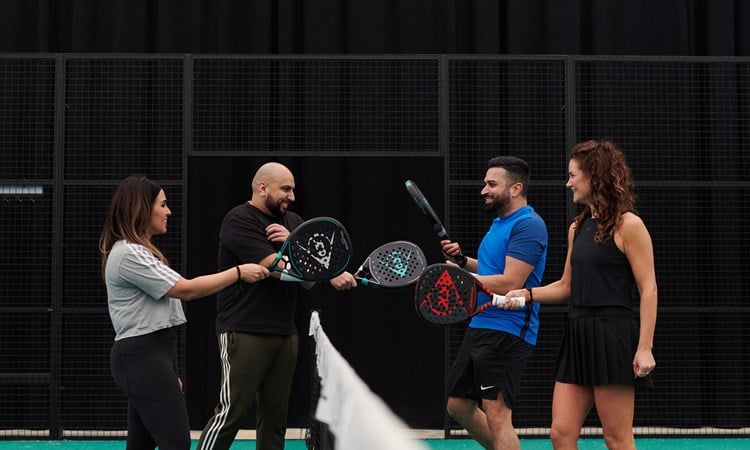
Padel's relatively small court means you're never far from your partner or those across the other side of the net. This helps foster a sense of community and connection, which is excellent for mind as well as body.
Physical and mental health benefits are particularly important for older people, with 42% of over-55s in the UK estimated to be physically inactive, compared to 29% across all adult age groups.
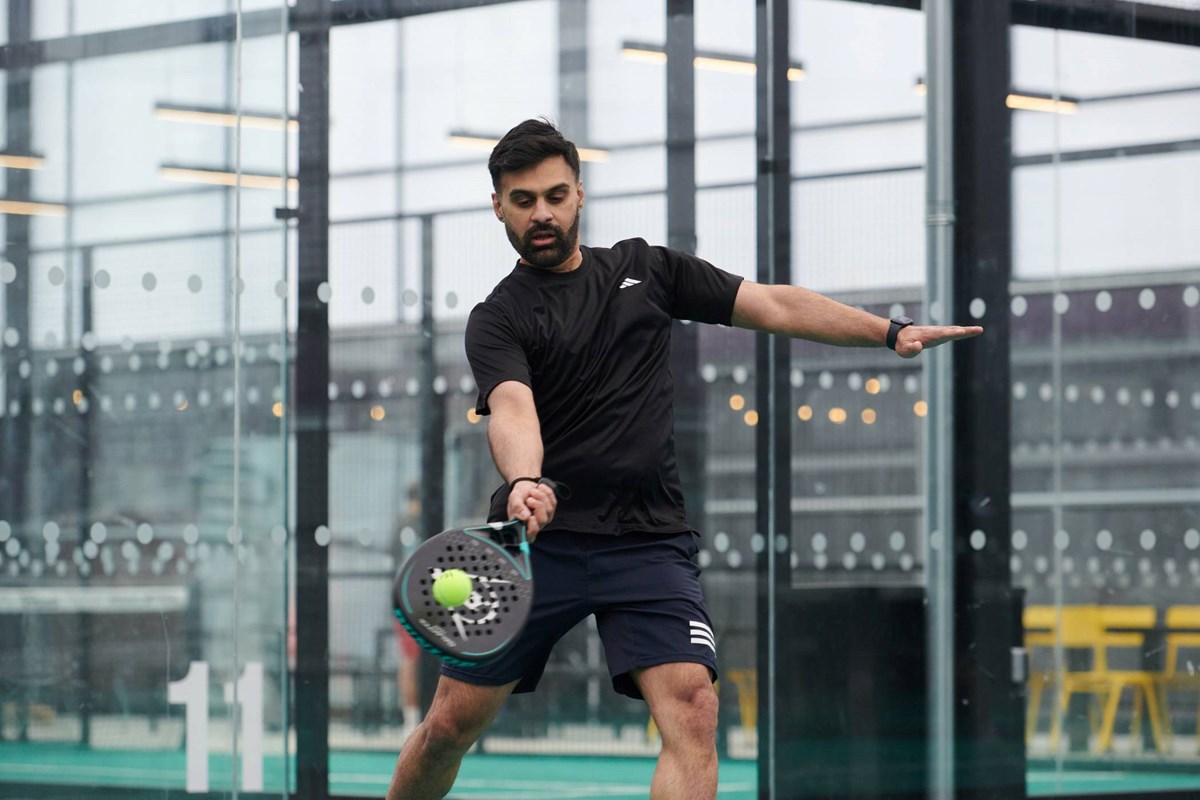
Padel is an ideal vehicle for combating these statistics, as recognised by Soul Padel with the launch of their programme Soul Timers.
Targeted at people "with a bit more life under their belts," Soul Timers offers padel intro sessions, socials, tournaments and weekly leagues, delivered at a pace which older demographics find more comfortable.
“This isn’t about slowing down. It’s about playing smart, connecting with others and embracing the joy of movement at your own pace,” said Soul Padel CEO and founder Mark Hewlett.
“My own parents are still playing in their seventies; proof that padel really is a game for life.”
Whatever a player's age, padel's benefits are backed up by scientific, as well as anecdotal, evidence.
"Most data we see puts it in that 70-85% max heart rate zone, which is right in the sweet spot for cardiovascular health," says LTA Lead Physical Preparation Coach Aylward.
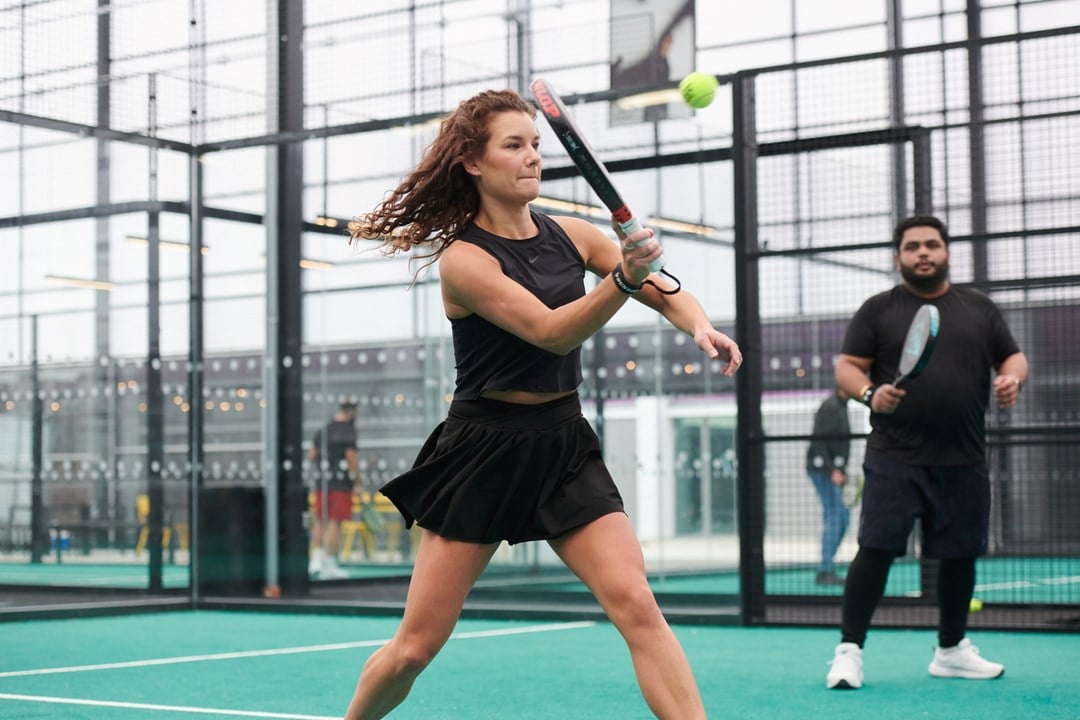
"You’re also getting significant neuromuscular stimulus, particularly around joint stability, and proprioception because of the frequency of directional changes and reactive footwork to awkward ball bounces.
"But where padel really stands out is the mental side. Tennis is tactical, of course, but padel adds another layer; angles off glass, tighter spacing, and less time to think. It becomes a game of anticipation and pattern recognition very quickly.
"There’s good evidence across racket sports that this kind of open-skilled environment supports executive function, reaction time, and decision making under pressure. Add in the doubles format and you also bring communication and social interaction into the mix, both strongly linked to exercise adherence and psychological well-being."
These physical and cognitive benefits, increased confidence, social connections and positive mental health impacts are all turbo-boosted by padel's addictiveness. When something feels good, you want to do it again. That soon becomes a habit - and good habits make healthy people.
Find your nearest padel courts
Discover your local padel venue and find out more about the different ways to play and get involved.