How padel is helping deaf children thrive in Bradford
• 3 minutes read
Padel is having a remarkable impact on deaf children in Bradford, with teachers reporting that the sport has boosted pupils' confidence, social skills and sense of autonomy.
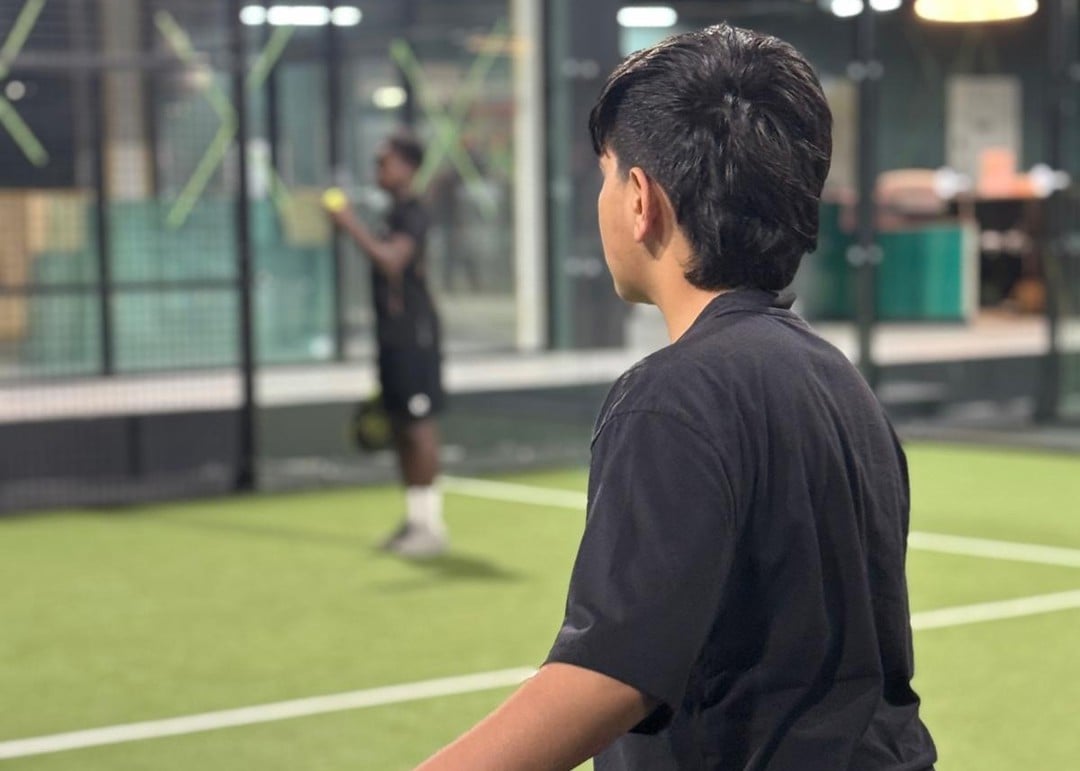
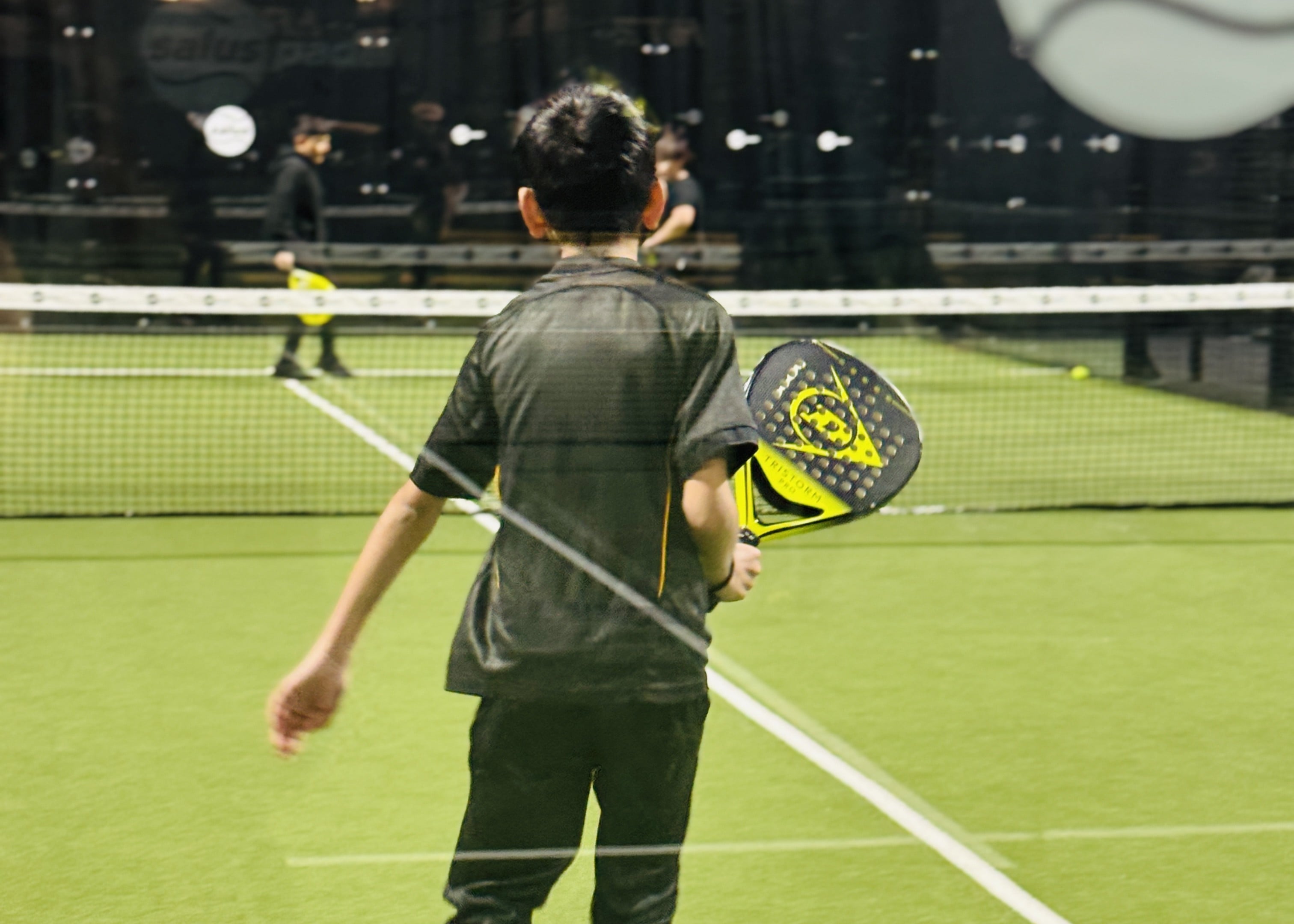
Deaf students from Hanson Delta Academy took part in sessions at Salus Padel in Bradford last month as part of the club's commitment to offering 100 hours' free court time per month, plus free equipment, to schools and voluntary sector groups across the city.
The positive effect has been instant, giving pupils the confidence to play together in their own leisure time, which is unusual for young people with daily communication barriers who often experience a sense of isolation.
Jessica Temple, Teacher of the Deaf at Hanson Delta Academy, said, "One of the biggest successes for me was hearing the boys talk about wanting to book a court and play together independently.
"That is exactly the kind of outcome we want for our deaf young people: the confidence to access opportunities within their local community without always needing school staff to facilitate them.
"For young people who can sometimes be reluctant to try unfamiliar activities, that is a huge achievement and probably the best feedback we could have hoped for!"
Padel's instant accessibility as a sport, combined with the guidance of Salus Padel's own coaches (one of whom is proficient in sign language), quickly gave the pupils a sense of competence and self-belief.
"For me, it was fantastic to see them go from being unsure about trying something new to being so enthusiastic and engaged," said Temple. "It really highlighted how much of a difference an inclusive and supportive environment can make to deaf young people's confidence and willingness to participate."
Teachers were keen to highlight the attributes that make padel so beneficial to deaf players, over and above the social, physical and mental health advantages it offers everyone.
It really highlighted how much of a difference an inclusive and supportive environment can make to deaf young people's confidence and willingness to participate.
Temple explained, "From my perspective as a Teacher of the Deaf, padel is a very visual sport, and the relatively small court means players can easily see one another and follow what is happening.
"The smaller playing area also makes it easier to gain students' attention, demonstrate techniques and communicate face-to-face. This is particularly important for deaf young people, who may miss instructions or information when it is delivered verbally from a distance."
Neha Ali, the Salus coach who led the sessions and used her proficiency in sign language, said she "never expected such a reaction" from the youngsters.
"I ensured I never turned my back on participants when explaining things, so they could lipread," she said. "I incorporated makaton until I realised the interpreter was using different signs, so I asked how to say 'serve' or 'gently' and used these signs when instructing.
"I made eye contact with every individual, referring to them with their names. I demonstrated every activity before they gave it a shot, ensuring I was encouraging the correct behaviour and technique. It was simple, I just made sure these students felt included and valued in their first experience of padel."
Ali's approach encapsulates the inclusive philosophy at Salus Padel, which is situated in Bradford city centre. Its padel courts are part of Bene Leisure which also includes indoor cricket nets, a golf simulator, a cafe and Pilates and wellness studios.
Every week, the venue hosts a range of padel sessions for groups who might normally struggle to access sport and physical activity.
Nalette Tucker from Sunnah Sports leads weekly sessions for disabled people from a local day centre who are working towards taking an LTA Padel Activators course.
Another weekly pan-disability padel session is regularly attended by people with mobility issues and learning difficulties including Down's Syndrome and autism.
Fifteen local schools also bring 20 pupils each to the club for padel sessions on rotation, either as part of the PE curriculum or lunchtime and after-school clubs. One of the schools is an integration centre supporting pupils returning to mainstream education.
"Our club is like a community centre," says Salus Padel owner Waseem Khan. “The main emphasis is on achieving positive outcomes for anyone who wants to come in and padel is the perfect vehicle to do that."